WHAT IT IS
A core that outlasts cycles
The structural core is engineered for multi-generational service life, independent of how the interior is used.


Zero rebuild. Value for 100 years ahead.
A building that answers every shift in time —
from completion, through disaster, through renewal, for 200 years.
Concept animation — how the structural core (skeleton) and infill layer separate.
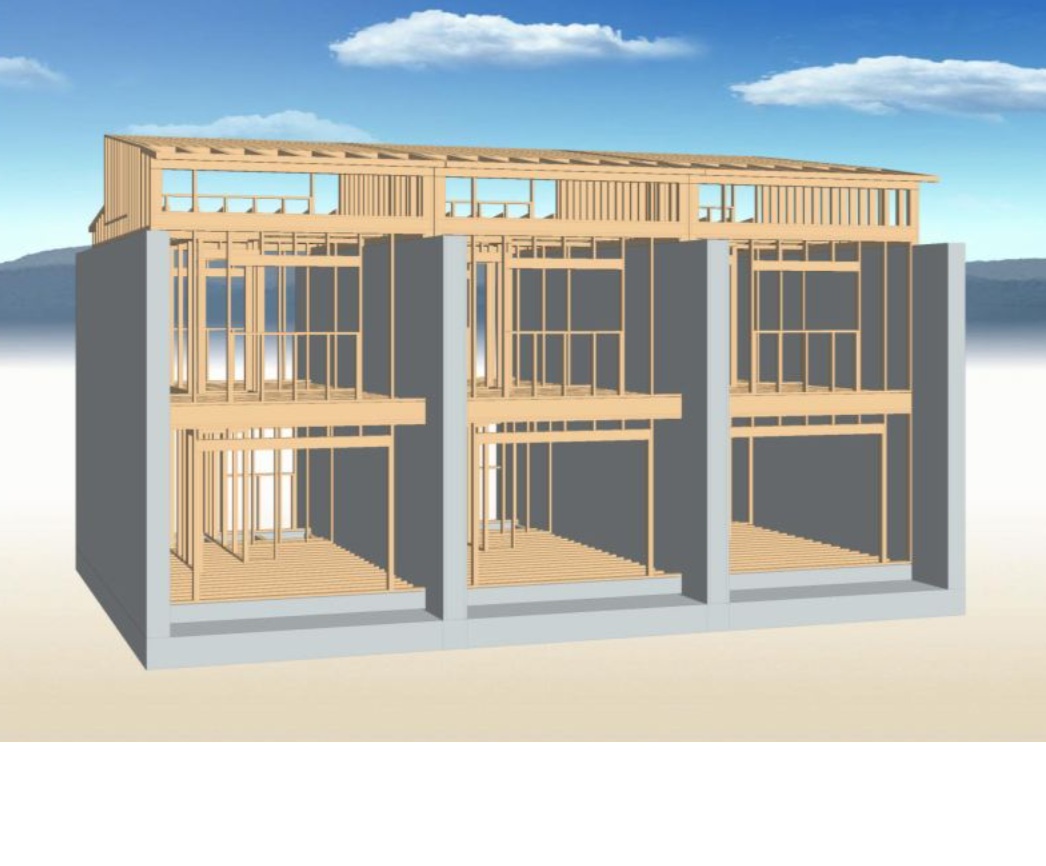
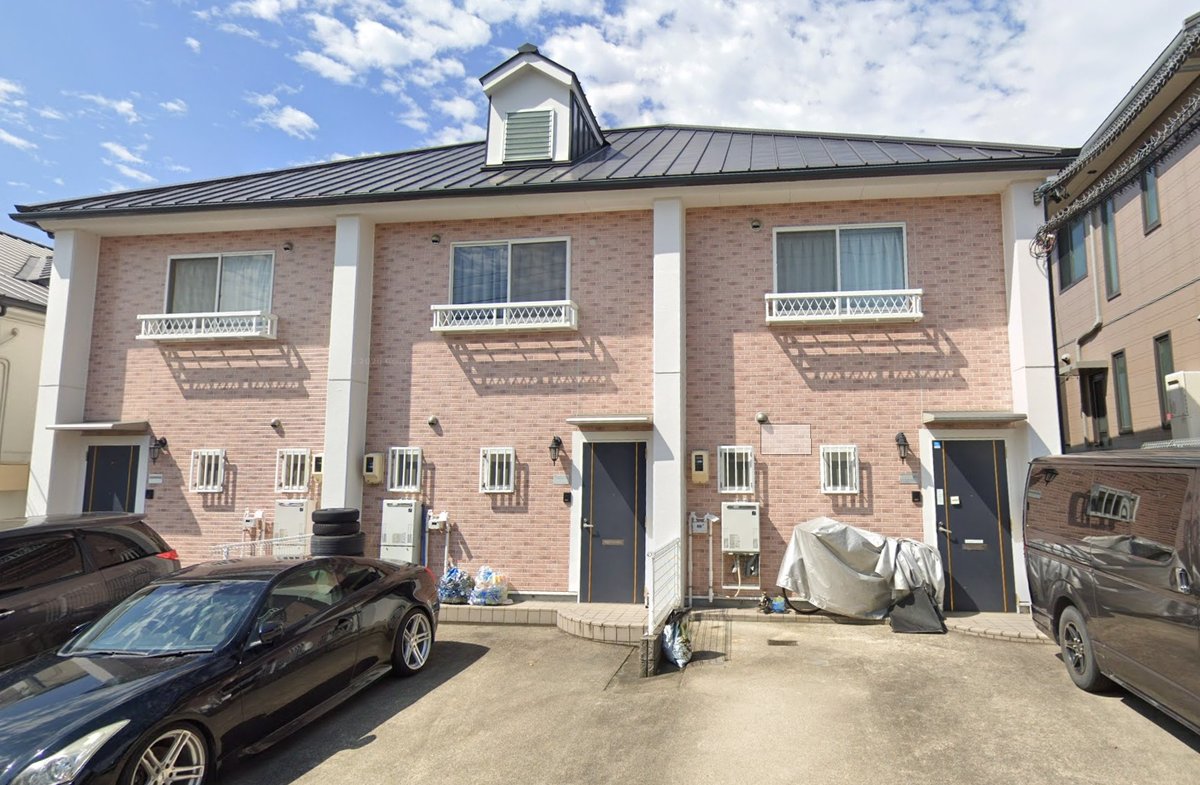
RC structural core (skeleton) paired with a timber infill frame.
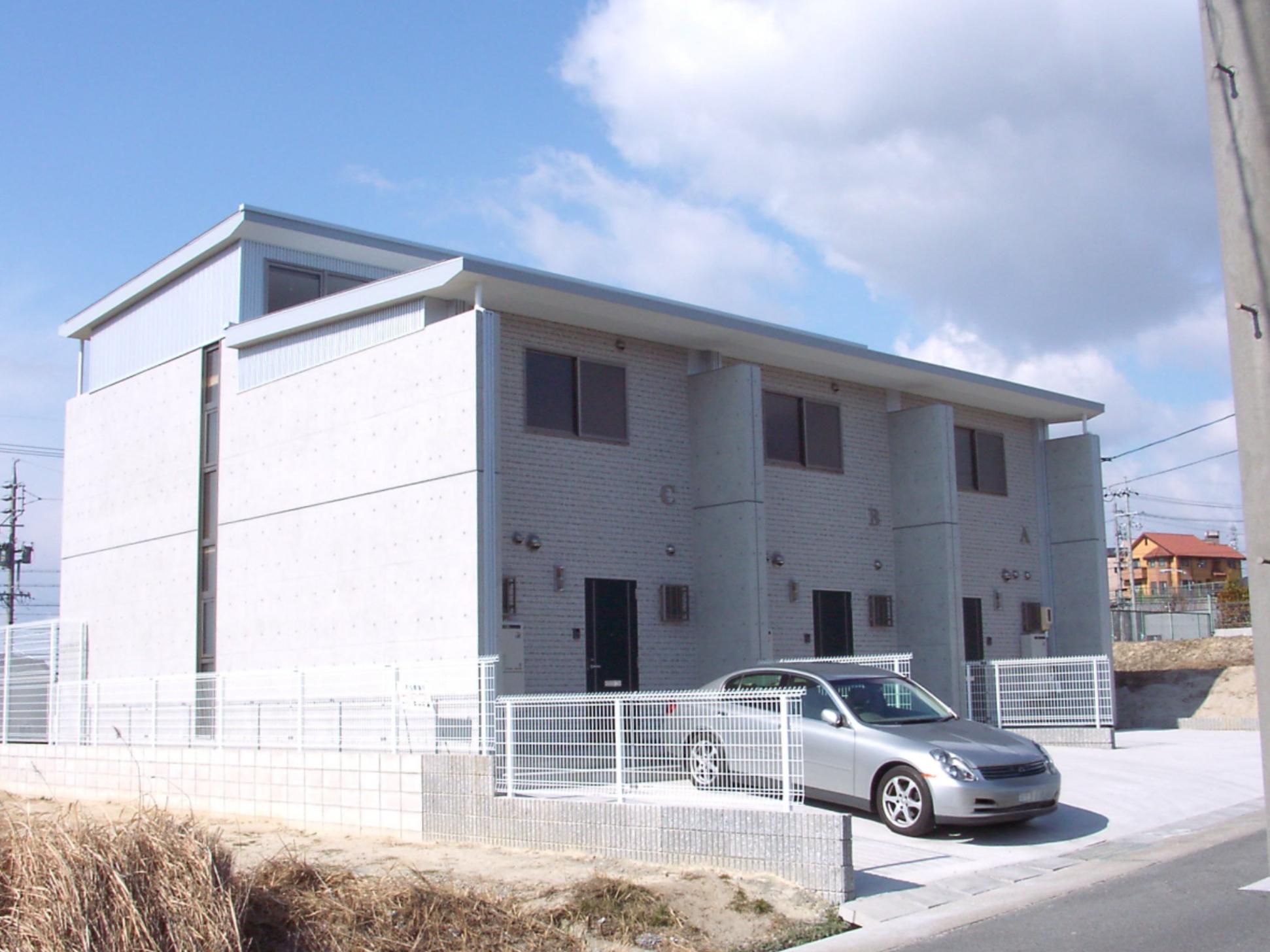
Completed and in everyday use.
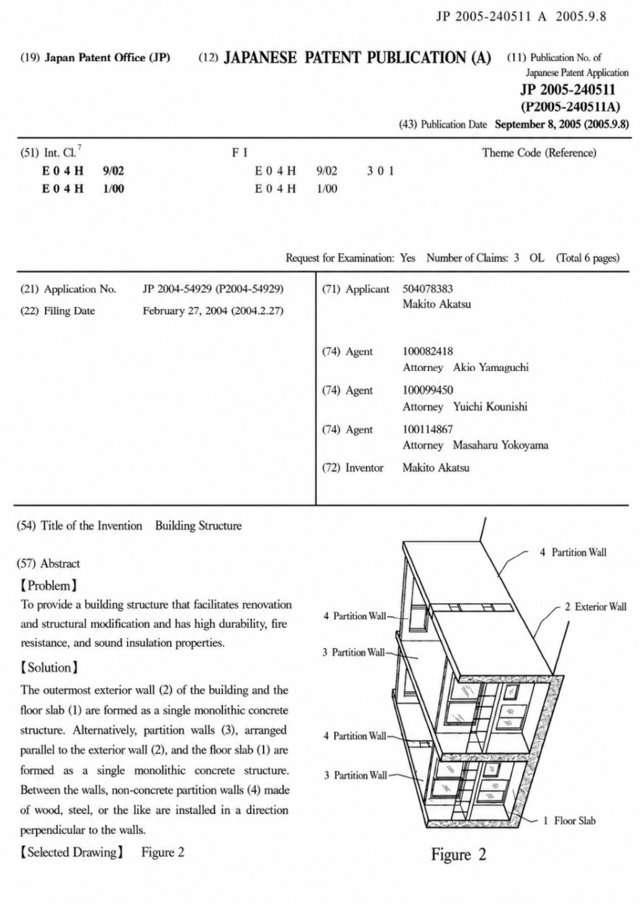
After 20 years, AZRAS is finally getting noticed: the very first LinkedIn post after restarting outreach reached roughly 2,000 industry professionals worldwide within three weeks, generating around 7,000 impressions. AZRAS — Adaptive Zero-Rebuild Asset System — a system perfectly suited to the coming AI era, is not merely a construction method but an asset design philosophy. It was developed and physically built in Japan in 2005, pairing a minimal reinforced-concrete core with a fully replaceable infill layer and outfill layer.
The structural core is engineered for multi-generational service life, independent of how the interior is used.
Most buildings are torn down and rebuilt with every renovation. AZRAS treats the structural core, the infill, and the outfill as three independent assets, each with its own lifespan — updated or replaced on its own timeline without affecting the others, so the building as a whole never needs to be demolished. (“Outfill” is a term coined by AZRAS.)
Rising material costs, embodied carbon targets, and accelerating infrastructure demand all favor assets that adapt instead of reset.
The original system uses cast-in-place RC walls as its primary structural element. For markets with different structural norms or seismic codes — including the United States, Southeast Asia, the Middle East, and Latin America — portions of the RC walls can be replaced with moment-frame systems (columns and beams), retaining RC walls only where structurally essential. AZRAS is a framework engineered to local conditions, not a single fixed construction method.
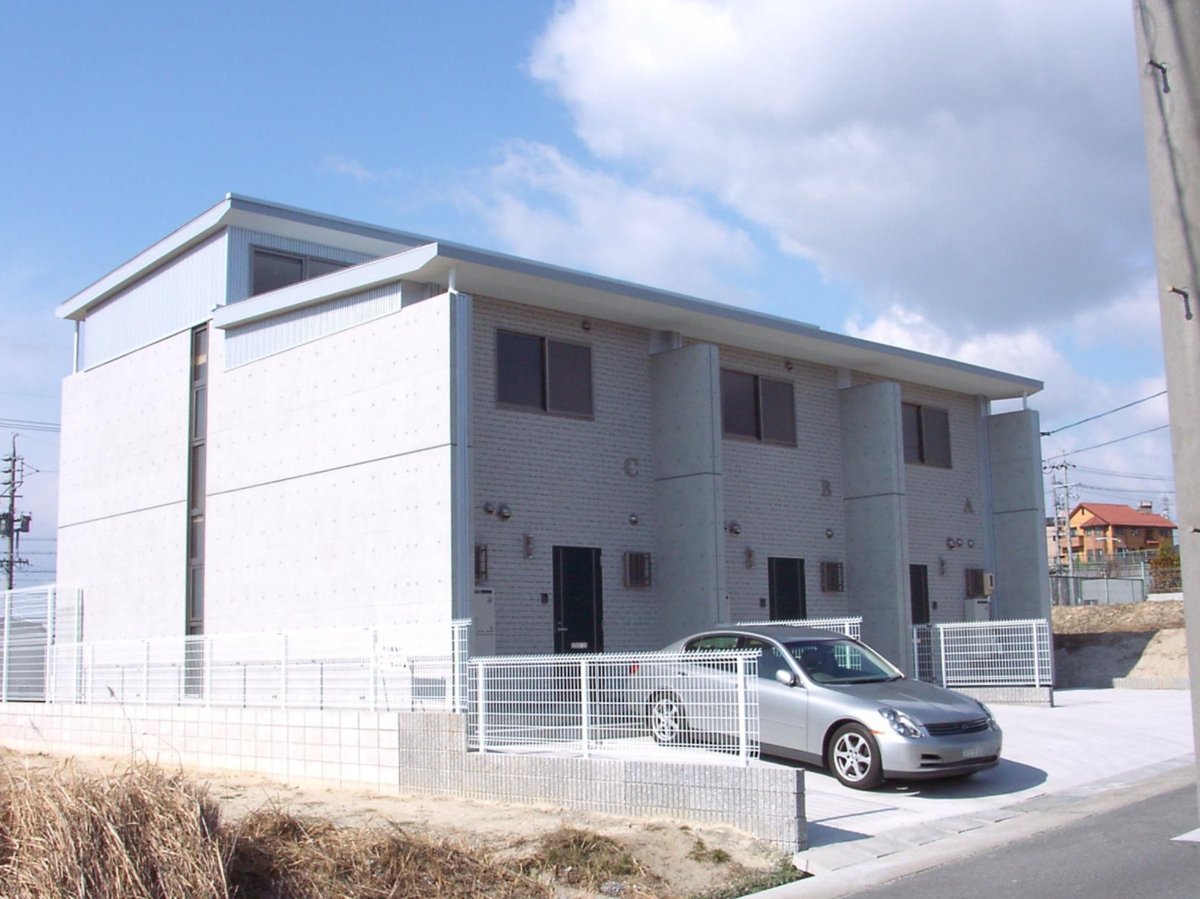
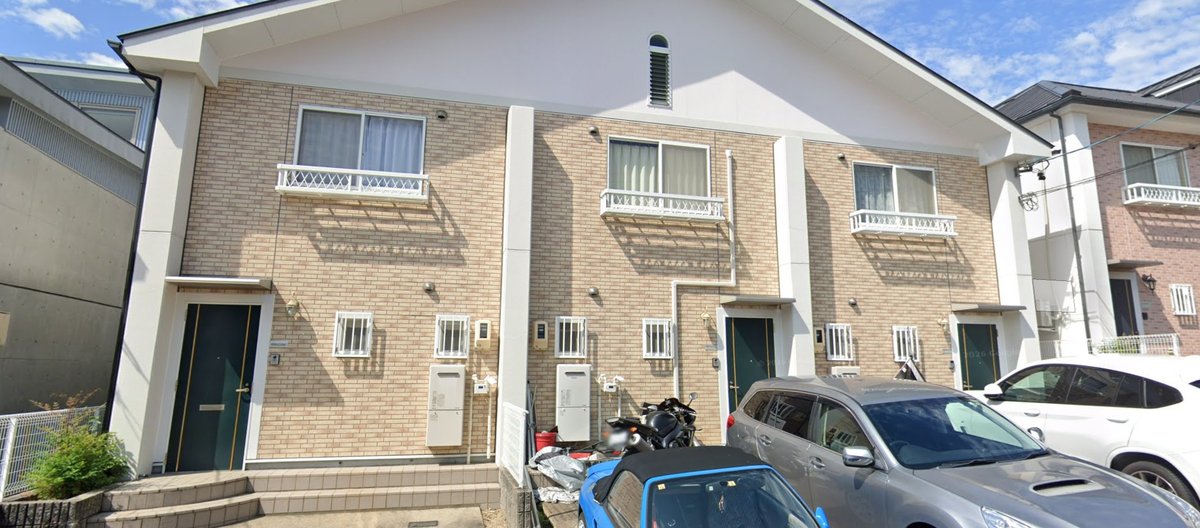
AZRAS addresses not only the three spatial dimensions, but also the fourth dimension: time. A building with a permanent Skeleton can evolve — energy-efficiently — for 200 years or more.
Energy-efficient, high-performance, long-life from Day 1.
AI and building systems optimize in real time.
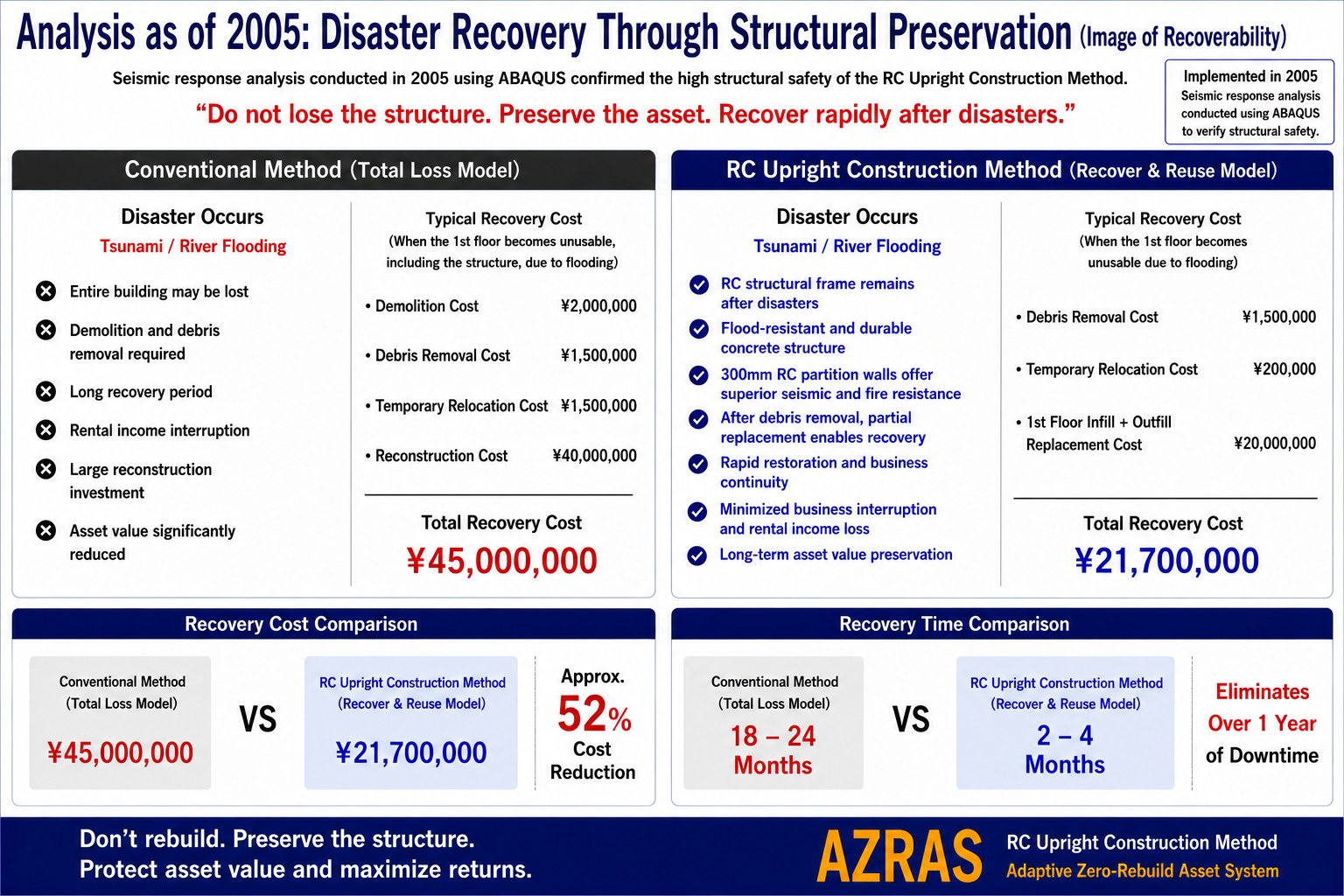
Restoration at −80% cost, −85% time.
Preserve the core; replace interior and exterior across generations.
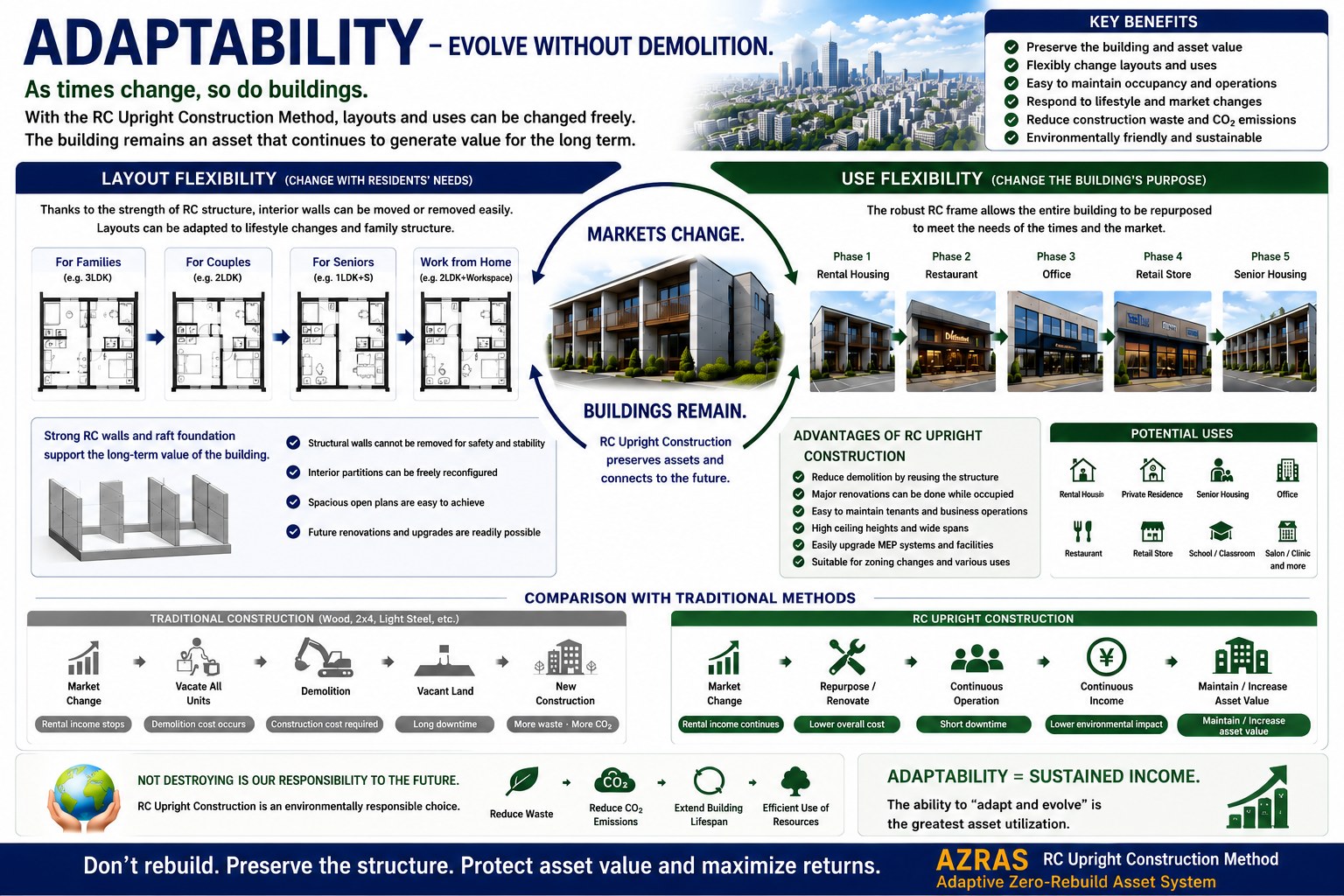
Flexible response to changes in use, technology, and regulation.
The AZRAS vision extends far beyond a single long-life building. Infill and outfill components are manufactured in factories, removed components return for reconditioning, and regenerated components are supplied to other AZRAS buildings — creating a near-zero-waste circular flow of building materials.
Buildings shift from being consumers of resources
to becoming platforms that circulate resources.
Both the interior (infill) and the exterior shell (outfill) can be reconfigured, replaced, or upgraded independently, without disturbing the structural core.
Infill materials are designed to be removed, recovered, and reused across renovation cycles.
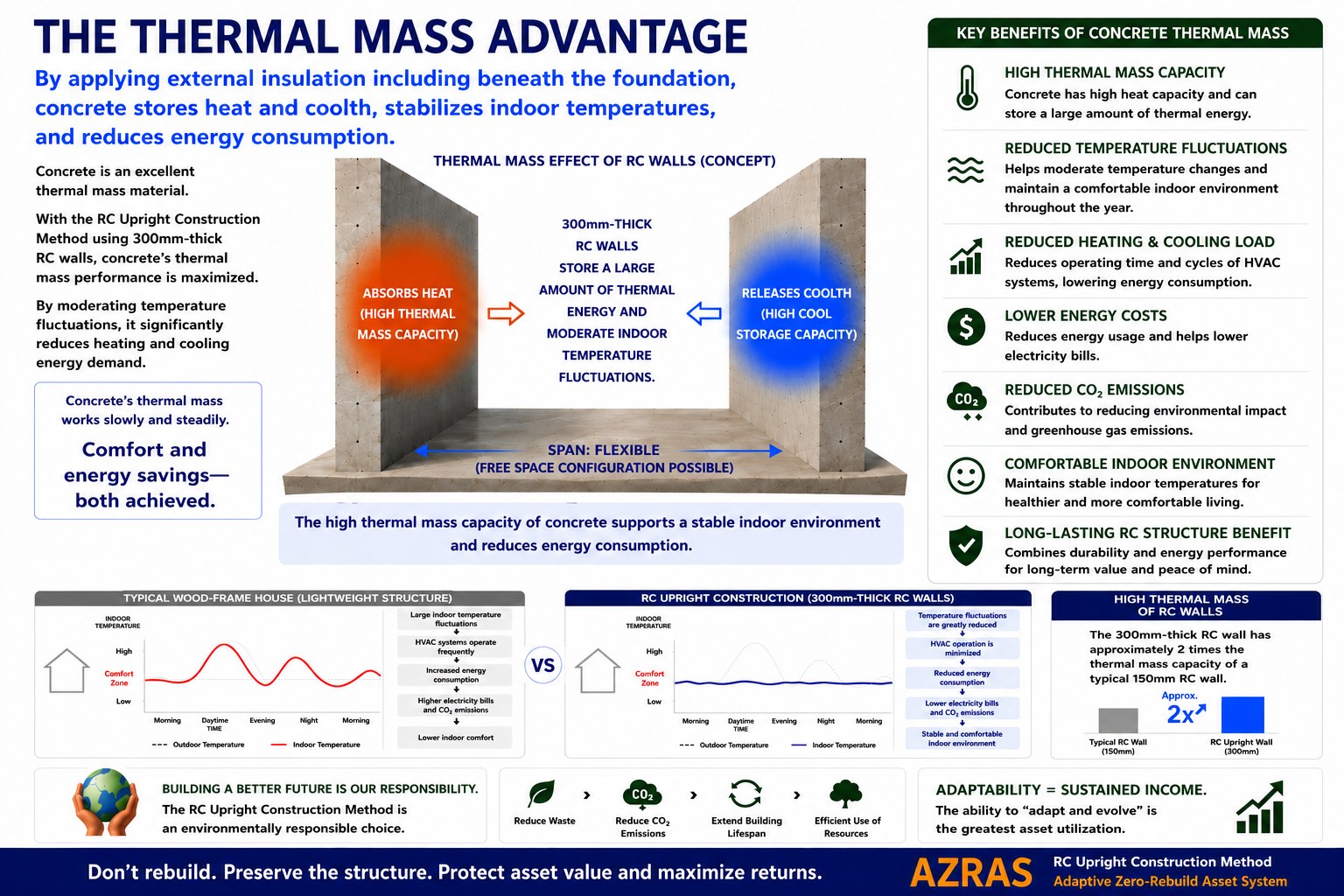
A longer core lifespan means fewer demolitions, less embodied carbon, and lower lifetime material throughput — reinforced by the energy savings of exterior insulation combined with concrete thermal mass.
Sensor and digital-twin readiness let operators monitor and optimize the asset across its full life.
Value is designed to persist in the core, rather than depreciating with the interior finish.
“Build once. Adapt forever.”
Each component is explained by what it protects or unlocks for the asset — not just how it works. Where conventional architecture is described in two layers — skeleton and infill — AZRAS introduces a third: outfill, the replaceable exterior shell.
Shields the concrete core from thermal stress, protecting the structural asset that the rest of the system depends on.
Turns the structure itself into passive climate regulation, lowering lifetime energy cost.
An extremely durable RC structural core that never needs to be torn down for 100+ years — the permanent foundation that supports the building across generations.
The interior layout, plumbing, and equipment — freely reconfigured from zero, as many times as life cycles require, to match changing occupants and uses.
AZRAS's most distinctive layer. Because the exterior — cladding, wall panels, and window systems — is fully decoupled from the core, it can be replaced at any time with the latest performance and design, without ever touching the structure.
Shortens renovation cycles and reduces dependence on skilled on-site labor.
Converts the building into a continuously monitorable, optimizable asset rather than a static structure.
Gives operators, lenders, and investors a live model of structural and asset condition.
Separating core and infill changes the economics of the building, not just its design.
The core is engineered to remain in service well beyond a typical rebuild cycle.
Renovation no longer requires demolishing and re-pouring the structural core.
Fewer full rebuilds over the asset's life lowers total cost of ownership.
Avoiding repeated demolition and reconstruction reduces the asset's cumulative carbon footprint.
A longevity-first structure supports long-horizon ESG and decarbonization mandates.
A durable core supports asset value across multiple ownership and tenancy cycles.
Uses the long-life structural core as the backbone of urban districts, enabling cities that can flexibly adapt to future change.
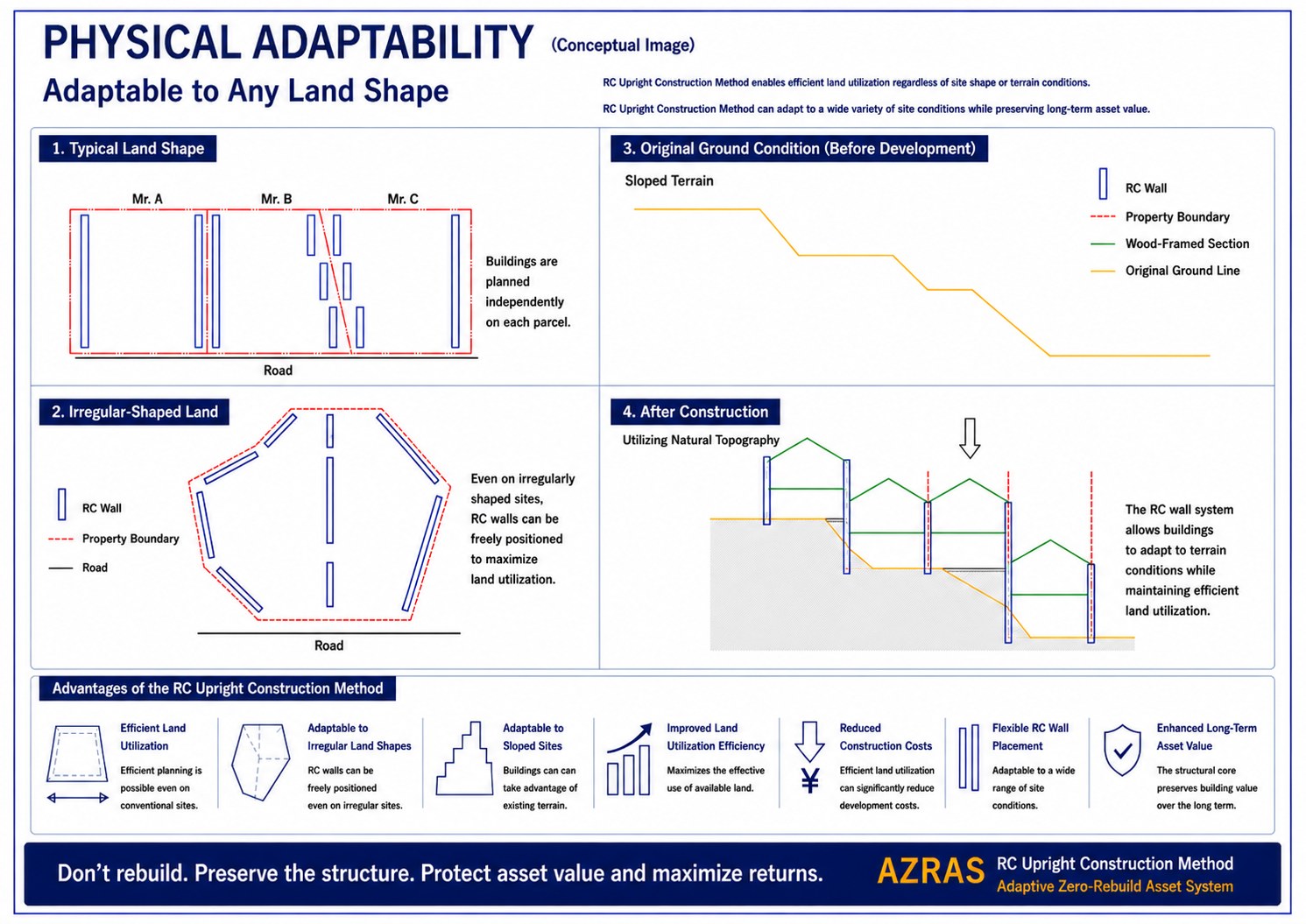
Enables unit-by-unit renovation and remodeling without affecting the building's structural frame.
Tenant turnover and interior changes are completed at the infill layer alone, cutting renovation cost and time.
Supports large, open-span interiors.
High structural stability provides a foundation for equipment upgrades and capacity expansion without interrupting operations.
Well suited to high-durability, highly adaptive infrastructure built for decades of public service.
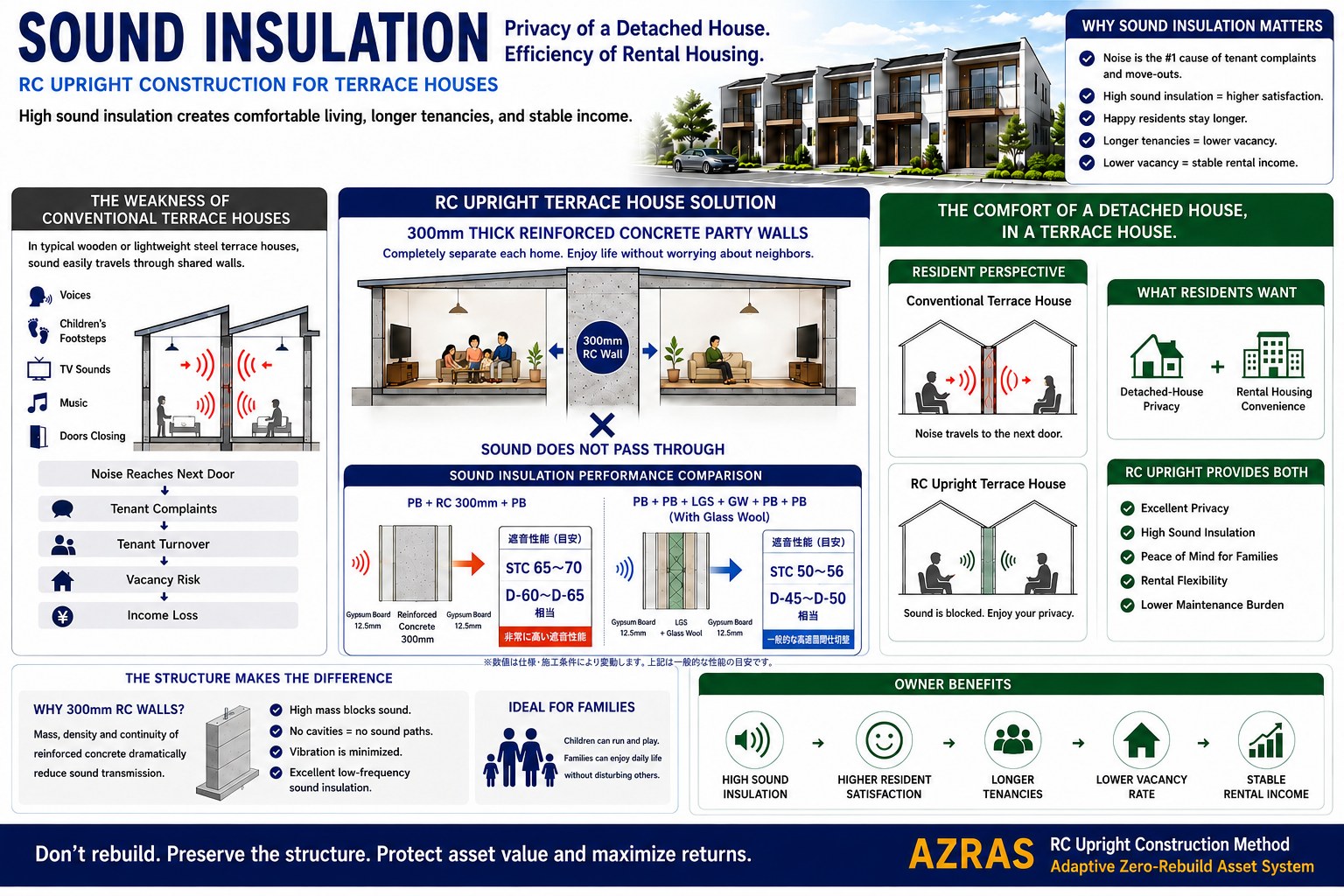
Localized damage can be contained, minimizing disruption to other floors or to the building as a whole.
External insulation combined with concrete thermal mass delivers energy savings and peak-cut HVAC performance.
Four independent trends are pushing capital toward longer-life, more adaptive infrastructure at the same time.
Compute, data, and automation are driving new categories of long-horizon physical infrastructure.
Aging building stock across Asia, the Middle East, and the Americas is approaching renovation or rebuild decisions.
Infrastructure and ESG funds are actively seeking assets with verifiable carbon and longevity profiles.
Capital is moving toward physical assets that are instrumented and data-ready from the start.
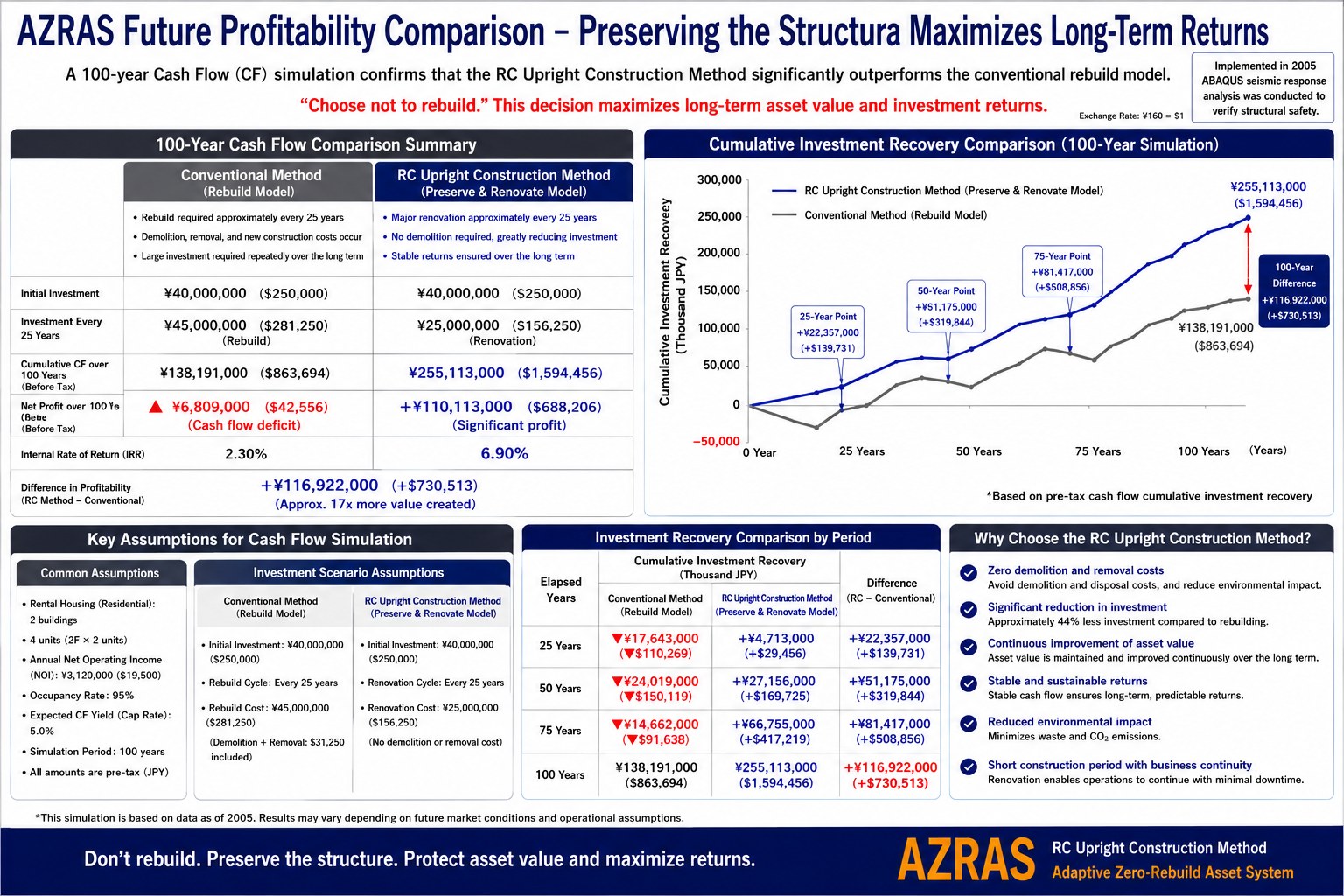
System designed, built, and verified through seismic testing in Japan.
Technical documentation, market positioning, and outreach to research and investment partners.
Building awareness for AZRAS through LinkedIn, X, Facebook, and other channels.
Advancing concrete project development in partnership with the regions and organizations showing the strongest interest — Saudi Arabia, the UAE, the U.S., ASEAN, and Japanese contractors active in these markets.
Partnering with manufacturers who share AZRAS's vision on floor-to-wall interfaces, insulation, HVAC, and prefabrication of the infill and outfill layers.
AZRAS established as a reference asset-design standard for long-life infrastructure.
AZRAS's technical foundation — structural drawings, calculations, and seismic verification reports — is published openly for research and review.
Open access for academic study, structural research, and case analysis.
Pilot and licensing discussions for real-world deployment.
Regional partnership and licensing structures under NDA.
Explore AZRAS, 2×6 timber, and RC frame construction side by side across seven cities and 200-year lifecycle metrics — using verified Core Project JSON Schema 3.0 sample data, right in your browser. No installation required.
In-depth reference material behind the summaries above — structural performance, lifecycle economics, and disaster recovery data.
Project updates, technical notes, and partnership announcements — published as PDFs or images and linked below.
How AZRAS's completed dynamic nonlinear seismic analysis and full-scale vibration data can be leveraged for U.S. permitting under IBC, ASCE 7, and ACI 318.
View PDF →AZRAS is developed and stewarded by ACE Comprehensive Consulting (株式会社ACE総合コンサル), based in Japan. AZRAS is the company's primary technology platform, positioned for global licensing and partnership.
For investment inquiries, licensing discussions, partnership proposals, or white paper requests.
You can also reach us directly at ace.consul.ma@gmail.com.
Technical documentation and source materials: GitHub repository.